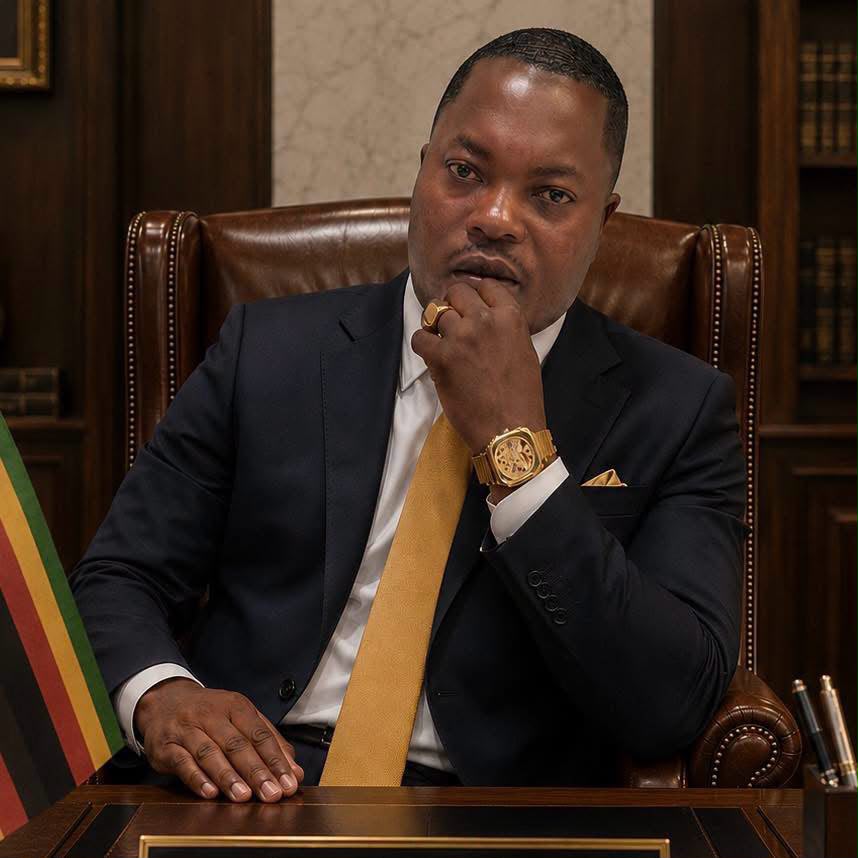
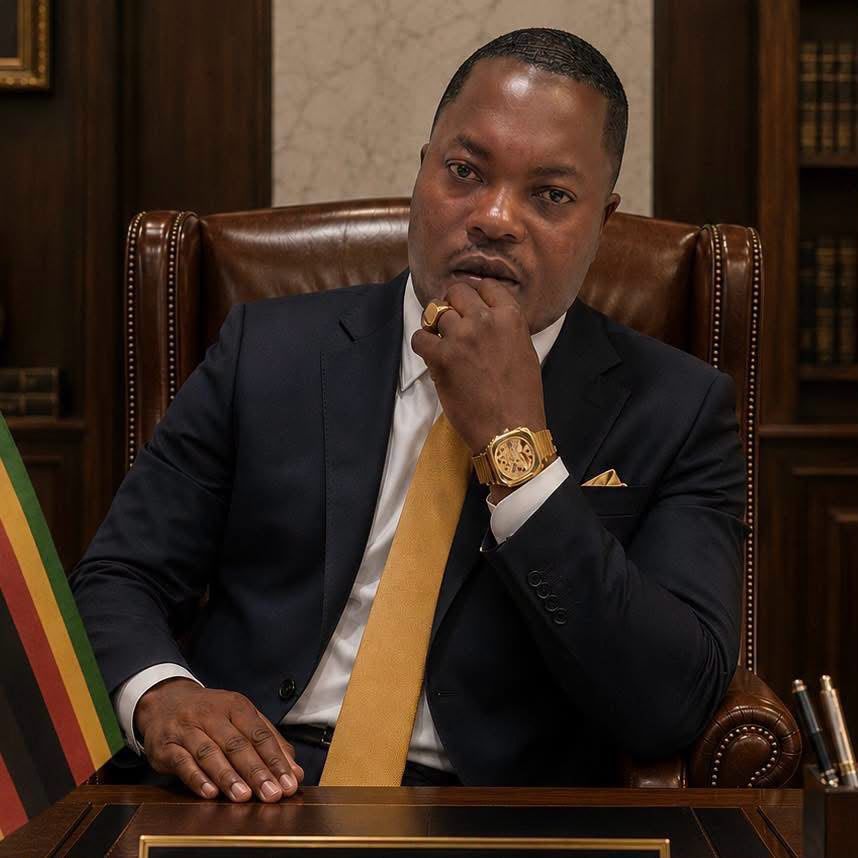
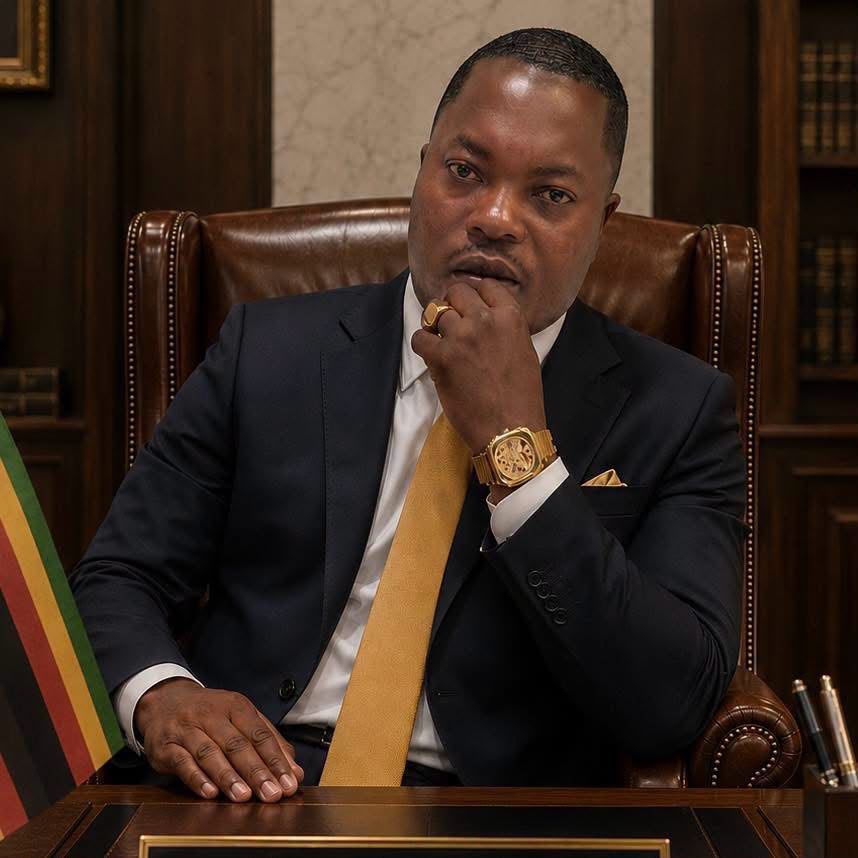
Dr Justice Mhishi is a businessman, philanthropist and community development advocate who has built his journey through hard work and perseverance. In this interview Nyaradzo Chitungo(NC) sat with Dr Justice Mhishi(DJM) to discuss his business journey, philanthropy and passion for supporting communities.
NC: Can you please tell us about yourself?
DJM: My name is Dr Justice Mhishi. I am a businessman, philanthropist and community development advocate. My journey has been one of perseverance, faith, hard work and learning from every stage of life.
I come from a humble background, and I understand what it means to start with very little and work your way forward. Over the years, I have ventured into transport, security, investments and other business opportunities. At the same time, I have always believed that success should not only benefit an individual. It should also create opportunities and make a difference in the lives of other people.
Today, one of the areas closest to my heart is disability inclusion, particularly supporting persons with disabilities with assistive devices and creating opportunities for them to participate fully in society.
NC: Before becoming a businessman, you worked as a security guard. What was that period of your life like?
DJM: Working as a security guard was an important chapter of my life because it taught me discipline, patience, humility and responsibility.
I started from a position where I had to work hard for every opportunity. Being a security guard was not always easy, but I never looked down upon the work. I understood that every job can be a stepping stone if you are willing to learn and remain focused.
That period taught me something very important: where you start does not necessarily determine where you will end.
I eventually gained experience in security and investigations, including forensic investigations training in South Africa. Those experiences helped shape the person and businessman I am today.
NC: Tell us about Mhishi Liner Holdings and how it started.
DJM: Mhishi Liner Holdings grew out of a vision to build a business that could provide reliable services while creating employment and opportunities for others.
Mhishi Liner has developed within the transport sector, providing passenger transport services on regional and cross-border routes. Our focus is on safety, reliability and good customer service.
The business has grown through persistence and by understanding the needs of our customers. Transport is more than simply moving people from one place to another. It connects families, businesses, communities and countries.
NC: What inspired you to venture into the transport business and energy?
DJM: Transport attracted me because I saw the importance of mobility in people’s everyday lives. Zimbabwe and the region need efficient transport systems that connect people and facilitate trade.
Energy is another area I became interested in because energy is fundamental to economic development. Businesses, communities, mines, farms and industries all need reliable energy.
My approach has always been to look at challenges as opportunities to find solutions. Where I see a gap, I ask myself: Can we build something that addresses that need while creating employment and economic value?
NC: How has the business grown over the years?
DJM: The growth has been gradual. It has come through experience, reinvestment, partnerships and learning from both successes and setbacks.
We have expanded our interests beyond transport into other areas, including security, investment opportunities, mining and energy-related projects.
For me, growth is not measured only by the size of a company. I also look at the number of people employed, the opportunities created and the communities that benefit from what we do.
NC: When did you decide you wanted to give back to communities?
DJM: Giving back has always been part of my values, but as the opportunities increased, I realised that I could do more.
I believe that when you are blessed with an opportunity, you should also become an opportunity for somebody else.
My community work has therefore grown organically. Sometimes it is food, sometimes water, sometimes an assistive device, and sometimes simply listening to someone and helping them find a solution.
I don’t believe you have to wait until you are extremely wealthy to start helping others. You can start with whatever you have.
NC: You have supported communities in different ways. How do you decide which communities or people to assist?
DJM: I normally respond to genuine needs that come to my attention.
When we visit communities, we listen to people and identify the challenges they are facing. I don’t want community support to be based purely on assumptions. We need to understand the actual situation on the ground.
That is why I have supported different communities with things such as wheelchairs, walking frames, crutches, hearing aids, water-related projects and other forms of assistance.
The principle is simple: identify a genuine need and see how we can make a practical difference.
NC: Your recent work has included donating wheelchairs and other assistive devices. What inspired you to start focusing on persons with disabilities?
DJM: This is something that has touched my heart deeply.
When you meet a person who cannot move independently because they don’t have a wheelchair, or someone who cannot participate fully in society because they lack an assistive device, you realise that a relatively simple intervention can completely change someone’s life.
A wheelchair is not simply a chair. It can mean mobility, dignity, independence, education, employment and the ability to participate in society.
That is what inspired me to start focusing more on persons with disabilities.
But I also believe we must move beyond charity. Donations can address an immediate need, but persons with disabilities also need access to education, employment, business opportunities, infrastructure and financial empowerment.
NC: What is the biggest challenge you have seen facing persons with disabilities in the communities you have visited?
DJM: One of the biggest challenges is access.
Access to assistive devices, accessible infrastructure, employment, education, healthcare, transportation and economic opportunities remains a major issue.
I have met people who have the ability and determination to work, but their environment does not give them the opportunity.
That is why I always say: disability is not inability.
We need to change the way society looks at disability. Persons with disabilities should not be seen only as beneficiaries of assistance. They are also entrepreneurs, professionals, employees, innovators, parents and contributors to the economy.
NC: What would you like to achieve through your disability inclusion work in the next few years?
DJM: My vision is much bigger than simply donating wheelchairs.
I want to see a more sustainable disability empowerment programme where we combine assistive devices with economic empowerment.
I would like to see more persons with disabilities accessing vocational training, employment, business opportunities, finance and markets. I also want to continue mobilising assistive devices for people who genuinely need them.
In the coming years, I would like to contribute towards establishing vocational training opportunities and programmes that help persons with disabilities become economically independent.
Ultimately, my goal is inclusion.
I want a Zimbabwe where a person with a disability can say, “I have an opportunity. I can work. I can start a business. I can contribute. I can live with dignity.”
That is the future I want to help build.