By Nyaradzo Chitungo
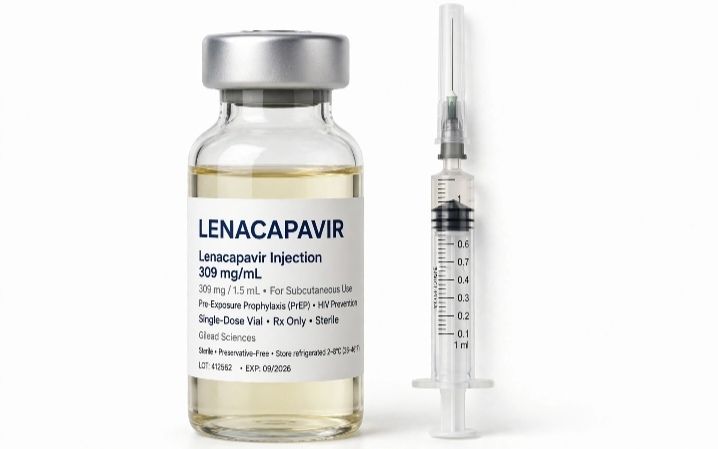
Zimbabwe has received 23,000 doses of lenacapavir, a twice-yearly HIV prevention injection, as the country prepares for the end of United States-supported health programs.
The Ministry of Health and Child Care ordered a total of 43,000 doses, with the remaining 20,000 expected to arrive soon.
Dr. Owen Mugurungi, Director of HIV and TB Programs in the Ministry, noted that the country has received more than half of the consignment.
“To date, 23,000 doses of lenacapavir have arrived from the 43,000 we ordered. We are still expecting the remaining 20,000 to arrive soon,” said Mugurungi.
This shipment arrives less than a week before the United States is expected to conclude its health assistance programs in Zimbabwe, raising concerns about the sustainability of HIV prevention initiatives previously supported by American aid.
US Ambassador to Zimbabwe Pamela Tremont confirmed that US-supported health programs will end at the close of September after Zimbabwe declined to proceed with a proposed bilateral health Memorandum of Understanding.
“With Zimbabwe’s decision to decline a bilateral health MOU, US-supported health programs will conclude at the end of September,” Tremont stated at a reception in Harare.
She mentioned that the US Embassy is collaborating with the Ministry of Health and Child Care and other partners to manage the transition.
“We respect Zimbabwe’s sovereign decisiron, and my health team from the Embassy is working diligently with the Ministry of Health and Child Care and other partners to ensure a thorough and responsible handover,” Tremont added.
The timing of the shipment has renewed attention on how Zimbabwe will maintain access to lenacapavir and other HIV prevention commodities as US assistance models change.
Lenacapavir is a long-acting pre-exposure prophylaxis (PrEP) medicine used to prevent HIV-1 infection. Unlike daily oral PrEP, it is administered twice a year, providing an additional option for HIV prevention.
Zimbabwe introduced lenacapavir in February after receiving about 2,000 doses for a phased rollout. Early uptake prompted plans to expand the program, with authorities targeting around 46,500 users by 2026.
As of May 1, 478 individuals had started on lenacapavir, with women making up 67 percent of those receiving the medication. Approximately 42 percent had transitioned from oral PrEP or long-acting injectable cabotegravir.
The Medicines Control Authority of Zimbabwe approved lenacapavir following an expedited regulatory review, allowing health authorities to incorporate the drug into the national HIV prevention program.
The government is also expanding access beyond initial rollout sites. Manicaland is among the areas targeted in the second phase, with Mutare, Chipinge, and Buhera earmarked for broader access.
This expansion occurs as Zimbabwe’s HIV response shifts to a new funding environment following changes in its health partnership with Washington.
The proposed US$367 million bilateral health agreement, which Zimbabwe withdrew from earlier this year, aimed to provide health support over five years, covering HIV and AIDS, tuberculosis, malaria, maternal and child health, and disease outbreak preparedness.
Zimbabwe raised concerns regarding provisions related to health data, while the US stated that the proposed arrangement aimed to promote sustainability and greater country ownership of health programs.
Tremont clarified that the end of health programs does not indicate a complete withdrawal of US engagement with Zimbabwe. Instead, she noted a shift towards economic cooperation.
“The US-Zimbabwe relationship is pivoting from one primarily focused on health and humanitarian assistance to one built on broader economic, trade, and investment opportunities to drive prosperity for both Zimbabweans and Americans,” Tremont said.
The conclusion of the health assistance program follows years of US support for Zimbabwe’s HIV response, which included prevention, testing, treatment, and health system interventions.
The immediate challenge for health authorities is to ensure continuity of HIV prevention services and secure sustainable supplies of key medicines. While the latest shipment provides 23,000 doses of lenacapavir, the country is still awaiting the remaining 20,000 doses from its current order.
Looking ahead, attention will shift to how Zimbabwe finances and procures lenacapavir as US-supported health programs wind down.